
You have seen it happen. One server is juggling six tables, completely overwhelmed, while another is standing near the host stand waiting for their next seating. The guests at table seven have not seen their server in twelve minutes. The kitchen is backed up. The energy on the floor feels chaotic.
None of that is inevitable. Most of the time, it comes down to one thing: no clear system for rotating tables fairly and consistently. That is exactly what a restaurant server table rotation form is designed to solve. And once you understand how it works, you will wonder why you ever ran a floor without one.
What Is A Restaurant Server Table Rotation Form?
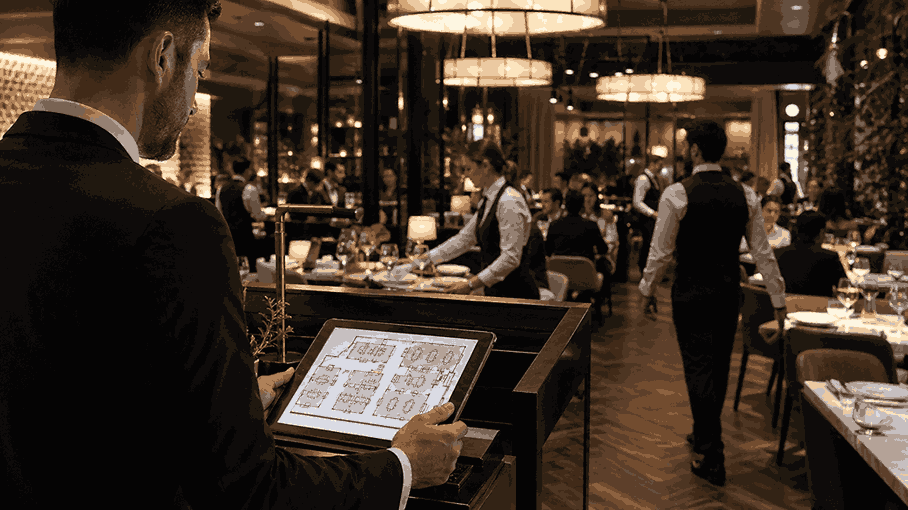
A restaurant server table rotation form is a structured tool that maps out your dining room sections, tracks which server is assigned to each table, and records the order in which tables are seated. It gives your host team a clear, visual reference to rotate seating evenly across all active servers throughout the shift.
Rather than relying on memory or a host’s instinct about who "seems available," the form creates an objective record. Every server gets tables in a predictable rotation, and managers can verify at a glance whether the system is being followed.
Why Fair Rotation Matters More Than People Think
When table seating is managed poorly, it creates problems on multiple fronts at the same time. Overloaded servers give rushed, inconsistent service. Guests at their tables notice. Review scores drop. Meanwhile, underworked servers earn less on that shift, and the resentment builds quietly within the team.
A properly used restaurant server table rotation form removes favoritism, real or perceived, from the equation. Servers trust the process because it is visible and fair. Hosts feel confident because they have a reference point instead of making judgment calls under pressure. And guests receive more consistent attention because no single server is drowning in tables.
How the Rotation System Works in Practice
Set up the form by mapping your dining room layout and listing each server section. At the start of the shift, confirm server assignments and note which sections are active. As guests arrive, the host assigns tables in sequence, rotating through each server section before cycling back to the beginning.
Each new seating is recorded on the restaurant server table rotation form. This gives you a running log that you can reference if a server questions whether they were skipped, or if a manager needs to understand how a busy period was handled. The record also helps you identify patterns, maybe one section consistently fills faster, or one server is regularly seated out of turn.
Preventing Double Seating Problems
Double seating is one of the most damaging things that can happen during a shift. When two or three tables are seated in the same section within a few minutes of each other, the server gets hit all at once with drink orders, food orders, and the need to explain the menu. Service quality drops sharply, and the guest experience suffers.
A restaurant server table rotation form helps prevent this by giving the host team a real-time view of who just got seated. If a server took a table two minutes ago, the form shows it, and the next seating goes to the next server in rotation. This pacing makes a noticeable difference in how a shift flows.
Training Your Host Team to Use It Correctly
The form is only as effective as the people using it. Your host team needs to understand that the restaurant server table rotation form is not optional, and it is not something to reference only when a conflict comes up. It is a live document used every time a table is set.
Walk hosts through how the form works before they use it on the floor. Practice the rotation sequence in a low-pressure environment so they feel confident during a busy service. Pair the form with a proper dining room seating chart so hosts can visualize sections alongside the rotation record.
What to Do When Rotation Breaks Down
Rotations get disrupted. A server calls out. A large party arrives unannounced and takes a full section. A couple of tables get seated at the same time because a tour bus just showed up. These moments happen, and your process needs to account for them.
When the rotation breaks, the manager on duty steps in to rebalance assignments and update the form. The key is that nothing is done informally. Every adjustment is documented so that by the end of the shift, you have an accurate record of how tables were handled. That accountability protects your team and helps you improve the process for next time.
Pairing the Form With the Right Tools
A restaurant server table rotation form works best when it is part of a broader system of operational tools. Think shift checklists, pre-shift alley rallies, manager walkthroughs, and server audits, all working together to support consistent service and clear accountability on the floor.
For operators who want a professionally designed, ready-to-use version of this form alongside other critical service and management tools, trusted companies like Workplace Wizards offer a complete suite of practical restaurant forms developed from more than three decades of real industry experience.
These rotation formsare small tools with big impacts. Put it in the hands of a well-trained host team, support it with strong floor management, and your service consistency will improve almost immediately. Also read about Restaurant Management Consulting.